
Metal fragments are the backbone of Rust crafting, you need them for weapons, armor, tools, doors, and most of the structures that actually keep you alive. There are three main ways to acquire metal fragments: mining ore and having it smelted from metal ore in a furnace, recycling unwanted items at a recycler, and looting crates, barrels, supermarkets, and warehouses scattered across the world. Each method has its own benefits and drawbacks, depending on how you’ve played the wipe so far. This guide breaks down the best way to farm them so you can keep up with all your crafting recipes and survive against other players.
Gathering Metal Ore
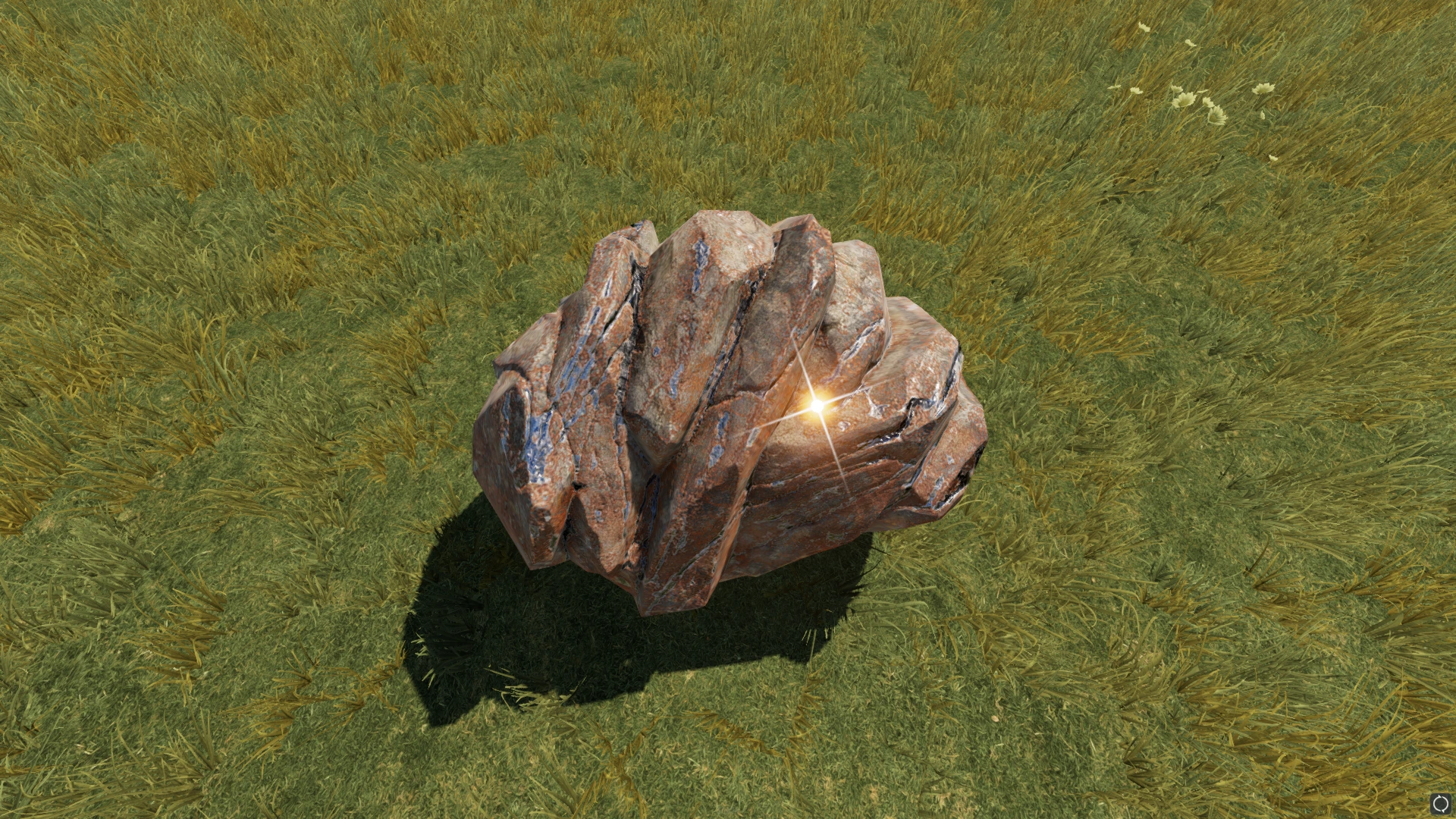
One of the most consistent ways to get metal fragments is by gathering metal ore nodes while mining ore across the map. You’ll typically start by hitting each rock with basic other tools, then upgrade into better gear like the salvaged pickaxe or even a jackhammer for maximum efficiency.
The better your tool, the higher your yield and overall output, letting you collect large amounts of ore in a short time. This is especially important when you’re trying to get enough metal ore for base upgrades, weapons, and different crafting recipes.
Metal nodes spawn in a variety of areas, including forests, mountains, and snow biomes. Some players also prioritize areas near roads and monuments for easier access to both nodes and loot.
If you’re aiming for massive production, controlling the excavator can generate absurd output, but it comes with heavy PvP pressure from other players.
Smelting Metal Ore
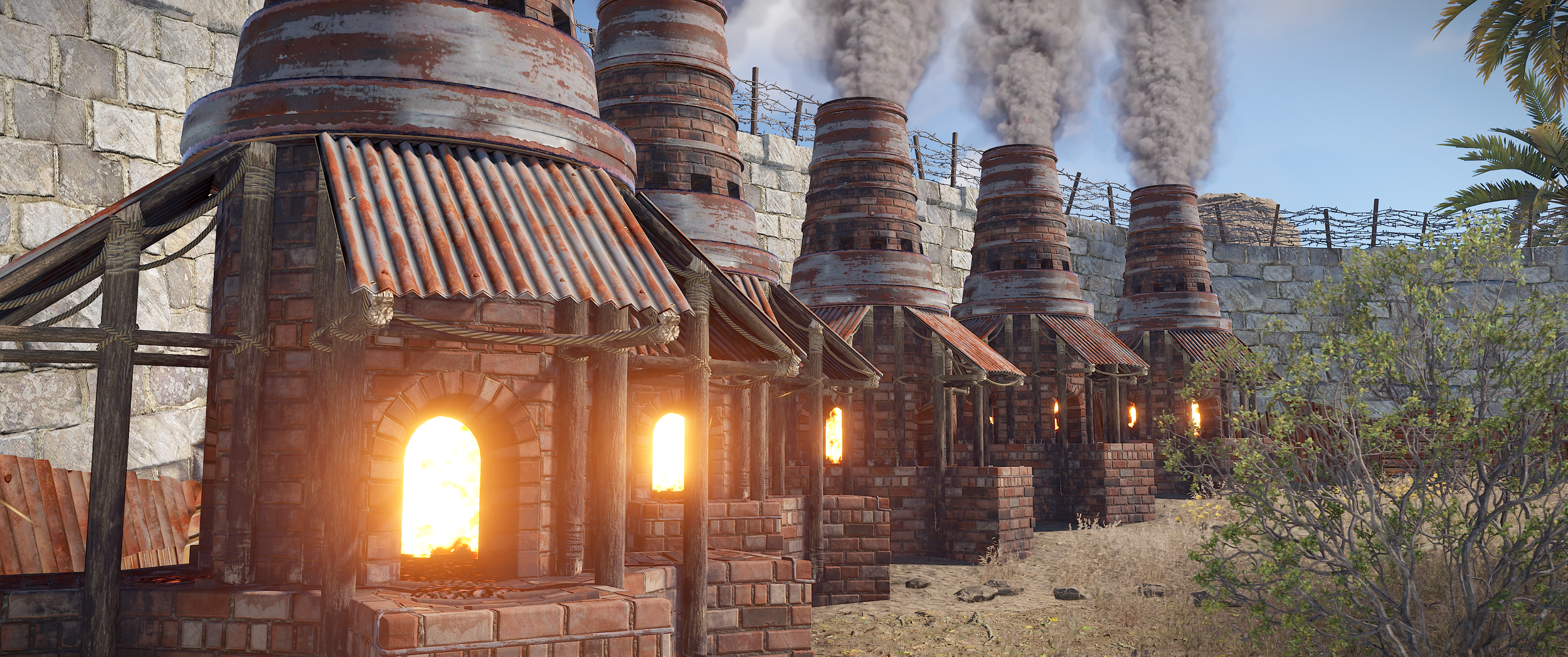
Once you’ve gathered enough metal ore, the next step is converting it into fragments by having it smelted from metal ore inside a furnace.
To do it efficiently:
Place a furnace in your base
Add metal ore and fuel like wood
Let it process over time
This is the easiest way to build a steady supply, especially if you’re online for hours. Smelting provides consistent output and is essential for progressing through mid- to late-game content.
Smelting gives you predictable returns and is essential for progressing through different crafting recipes, especially mid-game gear and base upgrades.
Recycling Components to Obtain Metal Fragments
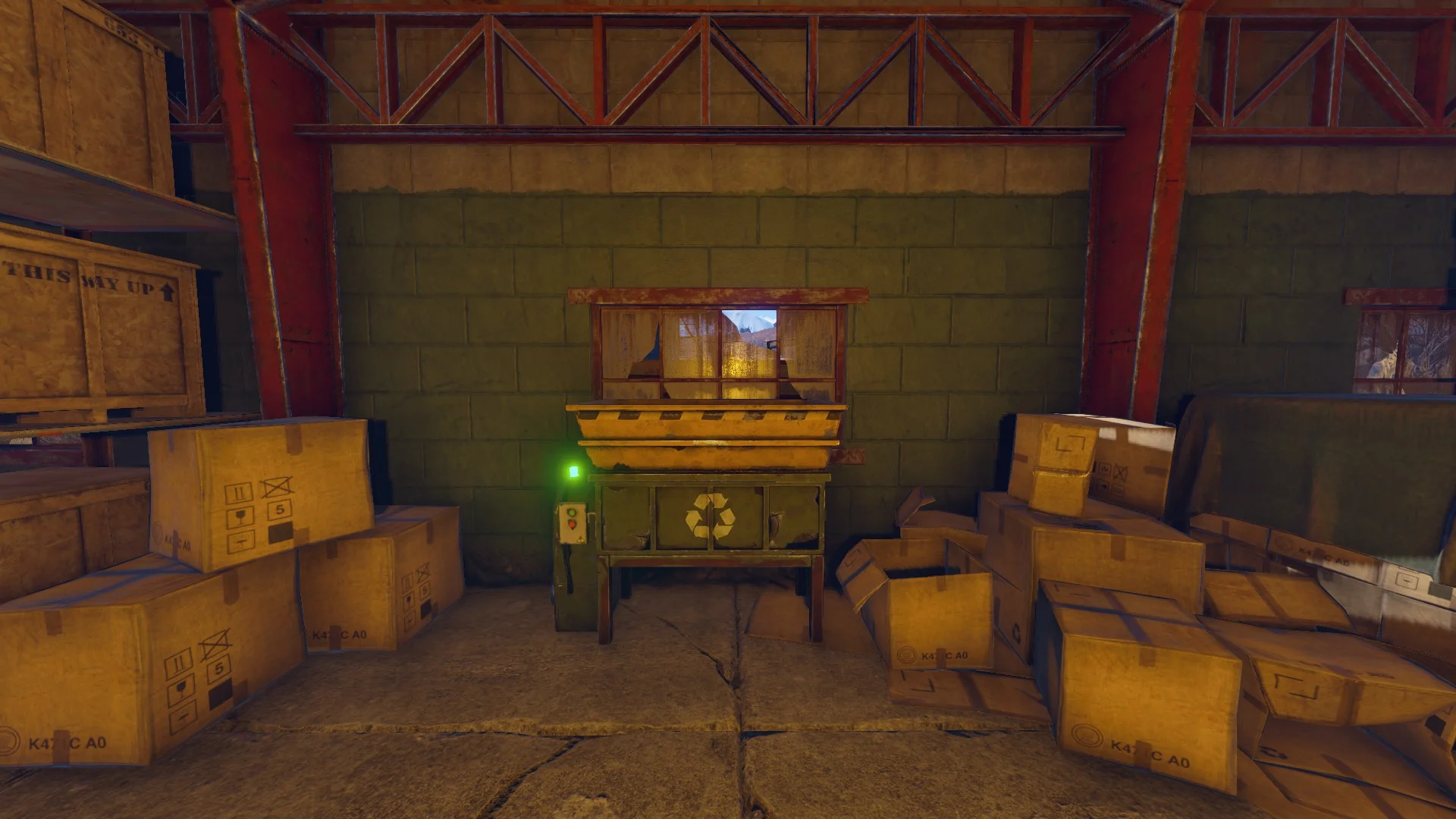
Recycling is another powerful method, especially early on. Instead of relying on ore, you break down unwanted items into resources.
You can recycle:
Components from barrels and crates
Gear taken from other players
Items like propane tanks, road signs, and weapons
These items often give back metal fragments along with scrap, which is another critical resource for progression.
Recyclers are commonly found at monuments like the bandit camp, outpost, and supermarkets, giving you easy access to convert loot into materials.
This method is often the best way early game because you can instantly turn junk in your inventory into useful resources. Alternatively, it’s also great when you’re short on time and need quick materials without setting up furnaces.
However, there are some drawbacks:
You depend on finding loot first
Recycling areas are contested by players
It doesn’t scale as well as farming ore long-term
Still, the benefits make it a core part of early progression.
Other Ways to Get Metal Frags
There are also other ways to acquire metal fragments besides smelting and recycling. You can loot crates, barrels, and monument loot spawns across the map, often finding fragments directly or items that break down into them.
Some players prefer to buy resources at trading hubs like the bandit camp or outpost, especially if they are short on time or need to recover after a raid. This can be useful when you’ve lost gear or need to rebuild quickly.
Certain players also farm high-risk monuments for large amounts of loot, trading safety for speed. While not always the most efficient, it can be useful depending on your playstyle.
High Quality Metal
While farming metal fragments, you’ll also come across high quality metal, a rarer resource used for advanced gear and late-game crafting. It follows similar logic but is much harder to obtain in large quantities.
Balancing both metal fragments and high quality metal is key for progression, especially when dealing with other players who already have endgame gear.
Conclusion
Metal fragments are essential for almost every stage of progression in Rust. The best way to consistently gather them is through a mix of mining ore and smelting, while recycling provides a fast early-game boost when your inventory is full of unwanted items.
Whether you’re farming in snow, controlling monuments like the excavator, or trading at bandit camp and outpost, understanding how to efficiently acquire metal fragments will directly impact your survival.
Mastering these methods ensures you always have enough materials for crafting recipes, base building, and defending yourself against other players in the harsh world of Rust.