
Low grade fuel is a specific type of fuel used for powering essential items in Rust, such as the furnace, which is a key crafting component.
This item is required for crafting and running devices like furnaces, power light sources, vehicles, and other devices. Knowing the easiest ways to collect or create it will save time during a wipe and keep your base running smoothly.
Several reliable methods exist in the game, and most players combine them depending on available resources and progression. The amount (numbers) of low grade fuel you can obtain varies depending on the method, and game changes or updates can affect how much you get from each source.
Common ways to get low grade fuel include:
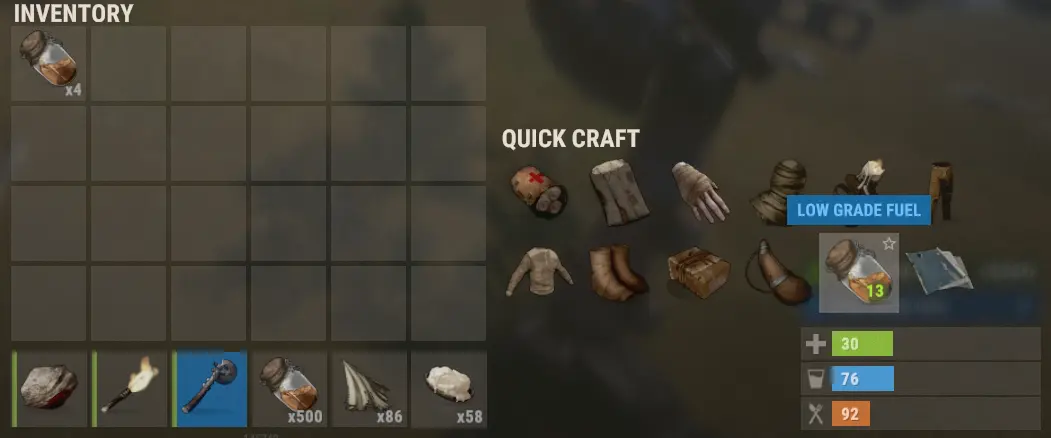
Crafting: Combine animal fat (harvested from animals) and cloth to craft low grade fuel at any time.
Refining crude oil: Use a small oil refinery to turn crude oil (harvested from barrels and containers) into refined low grade fuel.
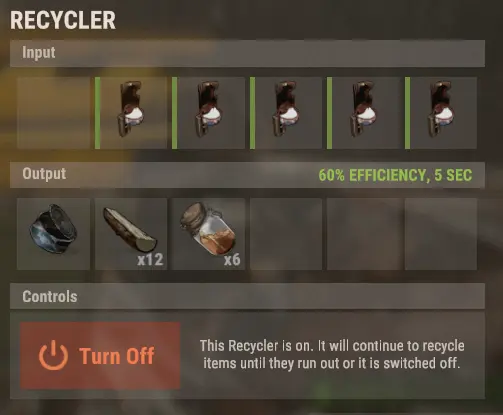
Recycling: Break down items containing fuel at a recycler.
Barrel farming: Search red barrels along roads and in floating junk piles at sea for low grade fuel, crude oil, and other items.
You can also buy low grade fuel at the Outpost, which is the safest method to acquire it in protected areas.
The Dome monument is a prime location due to its high density of red barrels and on-site refinery, making it efficient for harvesting and refining. Public refineries can also be found at various monuments like the Dome and Outpost for safe refining.
Understanding Low Grade
Low grade fuel is a vital resource in Rust, acting as the backbone for powering many of the game’s essential devices and crafting recipes. Unlike other resources, low grade fuel cannot be found directly in the environment; instead, players must create, refine, or recycle it from other items. Its importance becomes clear early in a wipe, as it’s required to run furnaces, power light sources, and operate various machines that are crucial for base development and survival.
In Rust, low grade fuel is considered a mid-tier resource—easy enough to craft with basic materials like animal fat and cloth, but also valuable enough to be worth stockpiling. As you progress, you’ll notice that having a steady supply of low grade fuel allows you to access advanced content, craft more complex items, and maintain your base’s operations without interruption. Whether you’re planning to run a small oil refinery, keep your furnaces burning, or light up your compound at night, low grade fuel is a resource you’ll always need to keep in mind.

Crafting Low Grade Fuel
Crafting is the easiest and most consistent way to get low grade fuel early in the game.
To craft low grade fuel:
Harvest animal fat by hunting animals like deer, boar, or bears.
Collect cloth from plants or by harvesting animals.
Open your crafting menu.
Click on low grade fuel (no blueprint or workbench required).
Craft using:
3 animal fat
1 cloth (This yields 4 low grade fuel.)
Repeat to create larger amounts of the item over time.
Notes:
Crafting this item is instant (takes only 5 seconds) and does not require a workbench.
This method is cheap and always available.
Best early-game option during a wipe.
Hunting animals regularly ensures a steady supply of resources to harvest.
You can craft anywhere without needing a device or refinery.
Refining Crude Oil
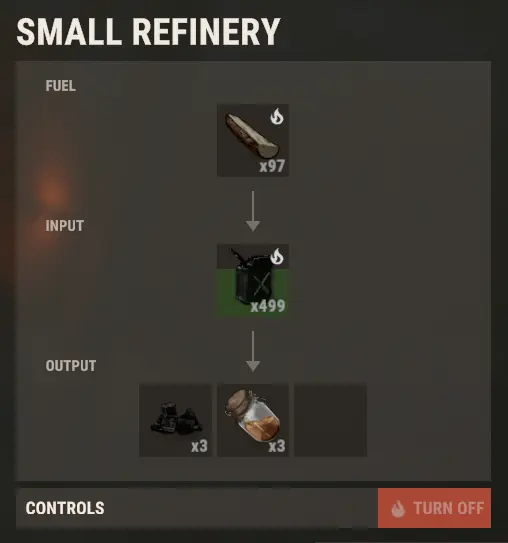
Refining crude oil gives a much higher yield of low grade fuel and is the best mid to late game method. Recent changes to refinery mechanics have made this process even more efficient.
To refine crude oil:
Harvest crude oil from red barrels along roads, at monuments, and in floating junk piles in the ocean. You can also get crude oil from diesel barrels in a pumpjack—one diesel barrel yields about 60 crude oil, which can be refined into 180 low grade fuel.
Craft or locate a small oil refinery, or use public refineries available at monuments like the Dome and Outpost for safe refining.
Place the refinery on the ground outside your base or use a public one.
Add crude oil into the input slot.
Add wood as fuel to power the refinery.
Turn it on and wait for processing.
Collect the refined low grade fuel item output.
Notes:
Produces lots of fuel quickly.
Requires a refinery and wood to run.
Efficient when you have large amounts of crude.
Great for powering furnaces, light sources, and other items long term.
Recycling Items With Low Grade Fuel
Recycling is a passive way to get extra low grade fuel while farming scrap and components.
To recycle for fuel:
Find a recycler at monuments or outpost.
Insert items that contain fuel (like lanterns or certain components).
Click recycle to break them down.
Collect the output including low grade fuel and scrap. The numbers of low grade fuel you get depend on the item recycled; for example, recycling a lantern gives 3 low grade fuel, while a tuna can lamp gives 1. If there has been a recent change to recycling yields, check patch notes for updated numbers.
Notes:
Good bonus method while farming other resources.
Not the most efficient way to get large amounts.
Combine with other methods for better results.
You can also find low grade fuel as an item in mining crates, derailed mining carts, and unloadable wagons introduced in the Trainyard Unloading update.
Barrel Farming For Fuel
Barrel farming is one of the fastest ways to find crude oil, low grade fuel, and other items early on.
To harvest barrels for fuel:
Travel along roads and monuments, or search the ocean for red oil barrels.
Break (harvest) red oil barrels using a tool.
Collect the items dropped—each red oil barrel contains 15-20 crude oil and 5-10 low grade fuel, along with other things like scrap and components.
Store crude oil until you can refine it for more low grade fuel.
Notes:
Roads are the safest and easiest farming routes, and you can gather low grade fuel by looting red oil barrels found there or in the ocean.
Monuments like dome often have higher yields and more barrels, increasing the numbers of resources you can collect.
Good for early progression before crafting large amounts.
Fishing near safe zones allows you to gut fish for animal fat, which can be used to craft low grade fuel.
Using a bone knife increases the numbers/yield of animal fat when harvesting animals.
Watch for other players, especially in PvP areas.
Fuel Usage and Applications
Low grade fuel has a wide range of uses in Rust, making it one of the most sought-after resources throughout the game. Here are some of the main applications:
Powering Furnaces: Smelting metal ore, sulfur ore, and high quality metal requires a constant supply of low grade fuel. Without it, you can’t refine raw materials into usable components for crafting weapons, tools, and building parts.
Operating Light Sources: Torches, lanterns, and other power light sources rely on low grade fuel to keep your base illuminated during the night or in dark areas, improving visibility and safety.
Running Vehicles: Boats, minicopters, and other vehicles in Rust need low grade fuel to operate, allowing you to travel quickly across the map, escape danger, or transport loot.
Crafting Advanced Items: Certain blueprints and devices, such as medical syringes, explosives, and flame throwers, require low grade fuel as a crafting ingredient. This makes it essential for both PvE and PvP gameplay.
Small Oil Refinery: To process crude oil into more low grade fuel, you’ll need an initial supply to get your refinery running, creating a cycle that supports large-scale operations.
Because low grade fuel is used in so many critical ways, it’s smart to always keep a reserve in your base. Running out at the wrong time can halt your progress, leave you vulnerable, or prevent you from crafting key items. Whether you’re farming, raiding, or just trying to survive another day, managing your low grade fuel supply is a key part of mastering Rust.
Extra Tips For Low Grade Fuel
Combine crafting and refining for maximum efficiency.
Store fuel in your base to avoid running out during raids or night time.
Always keep enough fuel for furnaces and light sources.
Use barrel farming early, then switch to refining for bulk production.
Be mindful of how much fuel your devices consume over time.
You need an account to access certain features or trade at the Outpost.
Researching the refinery blueprint at the research bench lets you craft your own refinery for more fuel production.
Remember to gather stone and other essential resources alongside low grade fuel.
Supply drops have a 10% chance of containing between 35-105 low grade fuel—always check them when possible.
Low grade fuel is most commonly used in vehicles, can be used inside a generator to create electricity, and is a crafting ingredient for healing items like medical syringes and med-kits.
Final Notes
Learning how to get low grade fuel in Rust is essential for survival and progression. There are several things to consider when obtaining low grade fuel, including different methods and resources such as crafting from animal fat and cloth, refining crude oil, recycling items, and farming barrels. Each method can be useful depending on your stage in the game, and these methods may change with future game updates.
Low grade fuel is a specific type of item used for various purposes. It serves as ammunition for the Flame Thrower and Flame Turret, and is also used to light oil lanterns and electric lights through generators. Once you build a steady fuel supply, running your base, powering devices, and progressing through the game becomes much easier.