
Finding a good Rust server in 2026 can completely shape your Rust experience. With thousands of Rust servers available across different regions, modes, and communities, the difference between a smooth, enjoyable session and a frustrating one usually comes down to a few key details.
Some servers offer strong server performance, active moderation, and a clear wipe schedule. Others struggle with lag, poor support, or unbalanced gameplay. Knowing how to filter through the server list properly will save you time and help you find servers that match your playstyle, whether you prefer PvP, PvE, or something in between.
This guide breaks down how to find the best Rust servers using simple, practical methods that actually work.

Start With The Rust Server List
The first step in learning how to find a good rust server is understanding how to use the built-in server list properly.
When you open Rust through the Steam client and begin launching Rust, you’ll see multiple categories:
Official servers
Community servers
Modded servers
Each of these offers a completely different type of gameplay.
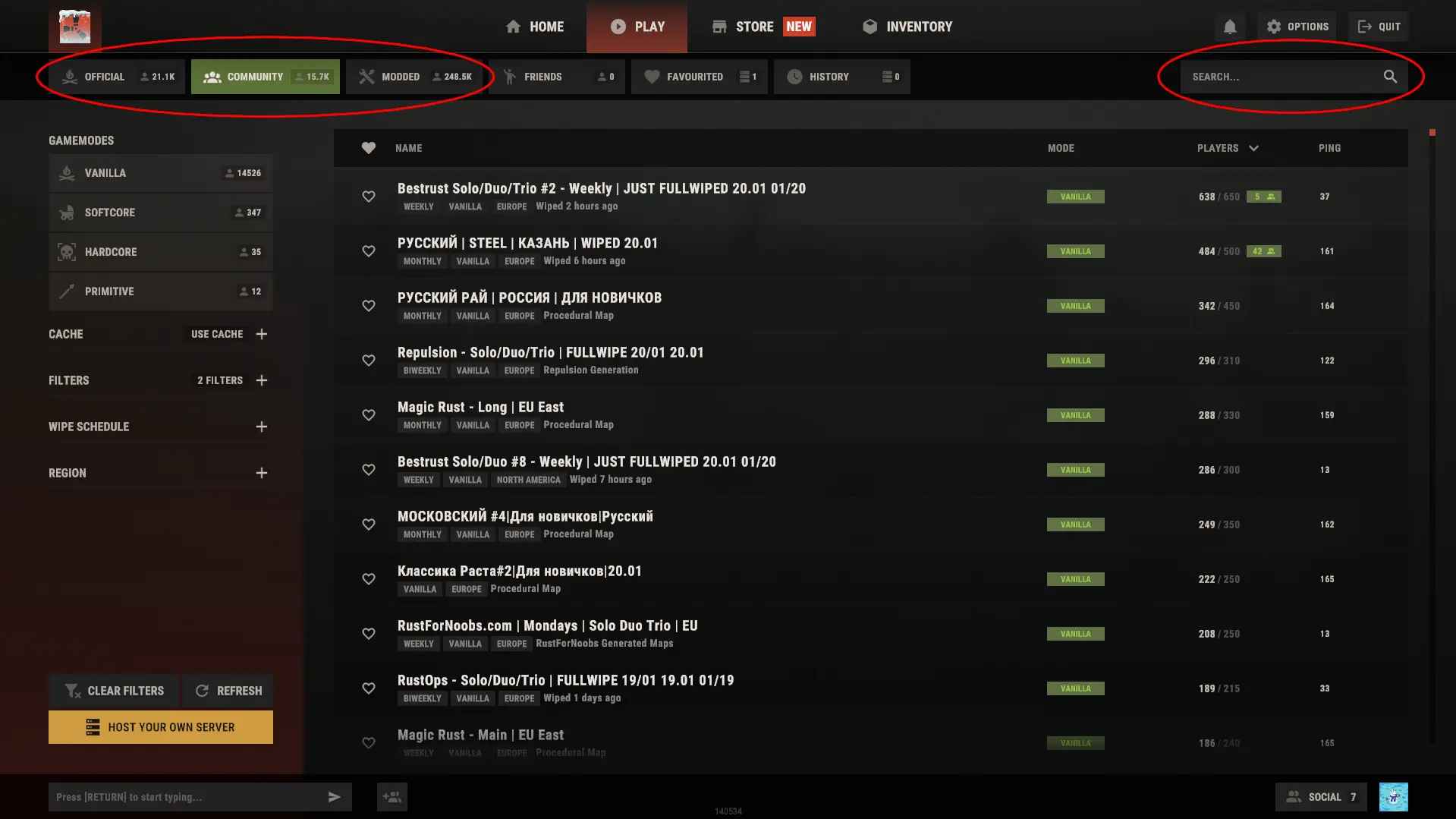
Official vs Community vs Modded
Official servers
These are run by the developers. They offer a pure, vanilla experience, but often lack active moderation and support. Cheaters and toxic players can be more common here.Community servers
These are hosted by server owners and are usually the best Rust servers for most players. They often include active admins, rules, Discord communities, and better overall security.Modded servers
These servers use plugins and mods to customize gameplay. You’ll find boosted gather rate, custom kits, skills systems, and unique features.
If you want a more user friendly experience with better moderation, community servers are usually the best place to start.
Pick A Server In Your Region (Ping Matters)
Before you even think about gameplay features, check your connection.
A good Rust server should have:
Low ping (ideally under 50–80ms)
Stable connection
Servers located in your region or nearby countries
Sorting the server list by ping helps you quickly find servers that you can connect to without lag.
High ping leads to:
Delayed hit registration
Rubberbanding
Poor overall gameplay
Even the best server won’t feel good if your connection is unstable.
Choose The Right Player Count
Player count is one of the biggest factors in your overall experience.
High Population Servers
More players = more PvP, raids, and interaction
Faster progression and competition
Busy servers may have longer queue times
Low Population Servers
Easier for new players
Less pressure and fewer raids
Slower overall progression
For new players, a server with fewer than 50 users can be ideal. It gives you time to learn the game without constantly dealing with large groups.
For experienced players, high population servers provide more action and a more competitive environment.
Check The Wipe Schedule
A server’s wipe schedule determines how often progress resets.
Common wipe types:
Weekly wipe
Bi-weekly wipe
Monthly wipe
Monthly BP wipe (blueprints reset)
A consistent wipe schedule is critical for progression.
Why Wipes Matter
If you join a server late into a wipe:
Other players will already have gear and blueprints
You’ll be behind in progression
The gameplay may feel unbalanced
Fresh wipes give everyone a fair start and are one of the best times to join.
If you prefer long-term progress, look for servers with monthly wipes. If you want fast-paced gameplay, weekly wipes are better.
Look For Active Server Owners And Admins
A good Rust server always has active server owners and moderators.
This directly affects:
Cheater control
Rule enforcement
Overall community quality
Signs Of A Well-Run Server
“Active Admin” or similar tags
Linked Discord or website
Clear rules listed
Fast response to issues
Servers without active moderation can quickly become unplayable, especially on official servers.
Community servers usually provide better support and faster responses when problems happen.
Evaluate Server Performance And Stability
Good server performance is one of the most overlooked factors when choosing a server.
A high-quality server should offer:
Stable FPS
Minimal lag spikes
Reliable uptime
Strong DDoS protection
Why Performance Matters
Rust is a demanding game. Poor server performance can cause:
Frame drops
Delayed interactions
Broken gameplay systems
Servers with strong hardware and proper optimization deliver a noticeably smoother experience.
If a server frequently lags or crashes, it’s not worth your time, no matter how good the community looks.
Understand Server Types (PvP, PvE, Vanilla, Modded)
Not all Rust servers play the same. Choosing the right type is key.
PvP Servers
Focus on combat and raiding
Competitive and fast-paced
Best for experienced players
PvE Servers
No player damage (or limited PvP zones)
Focus on building, crafting, and exploring
Great for new players
Vanilla Servers
No mods or changes
Pure Rust gameplay
Modded Servers
Custom features like kits, skills, events
Faster progression
Unique gameplay styles
Some servers mix PvE and PvP modes, offering safe zones and combat areas.
Check Server Features And Customization
Community and modded servers often include extra features that change how you play.
Common features include:
Kits and starter gear
Custom maps
XP or skill systems
Events and quests
Backpack systems
Modified gather rate
These features can speed up progression or create entirely new gameplay loops.
If you want a faster-paced experience, look for servers with higher gather rates and custom features. If you prefer balance, stick closer to vanilla settings.
Pay Attention To Community And Rules
A server’s community can make or break your experience.
What To Look For
Clear rules
Active Discord communities
Friendly players
Organized events
A strong community creates:
Better teamwork
Less toxicity
More enjoyable gameplay
Servers with unclear rules or toxic players often lead to a worse experience, even if everything else looks good.
Look For Beginner-Friendly Servers
If you’re new to Rust, choosing the right server is even more important.
Beginner-Friendly Features
Low population
PvE or limited PvP
Active admins
Helpful communities
Team size limits (Solo/Duo/Trio)
Team limits prevent large groups from dominating the server, making it easier for solo players to survive and progress.
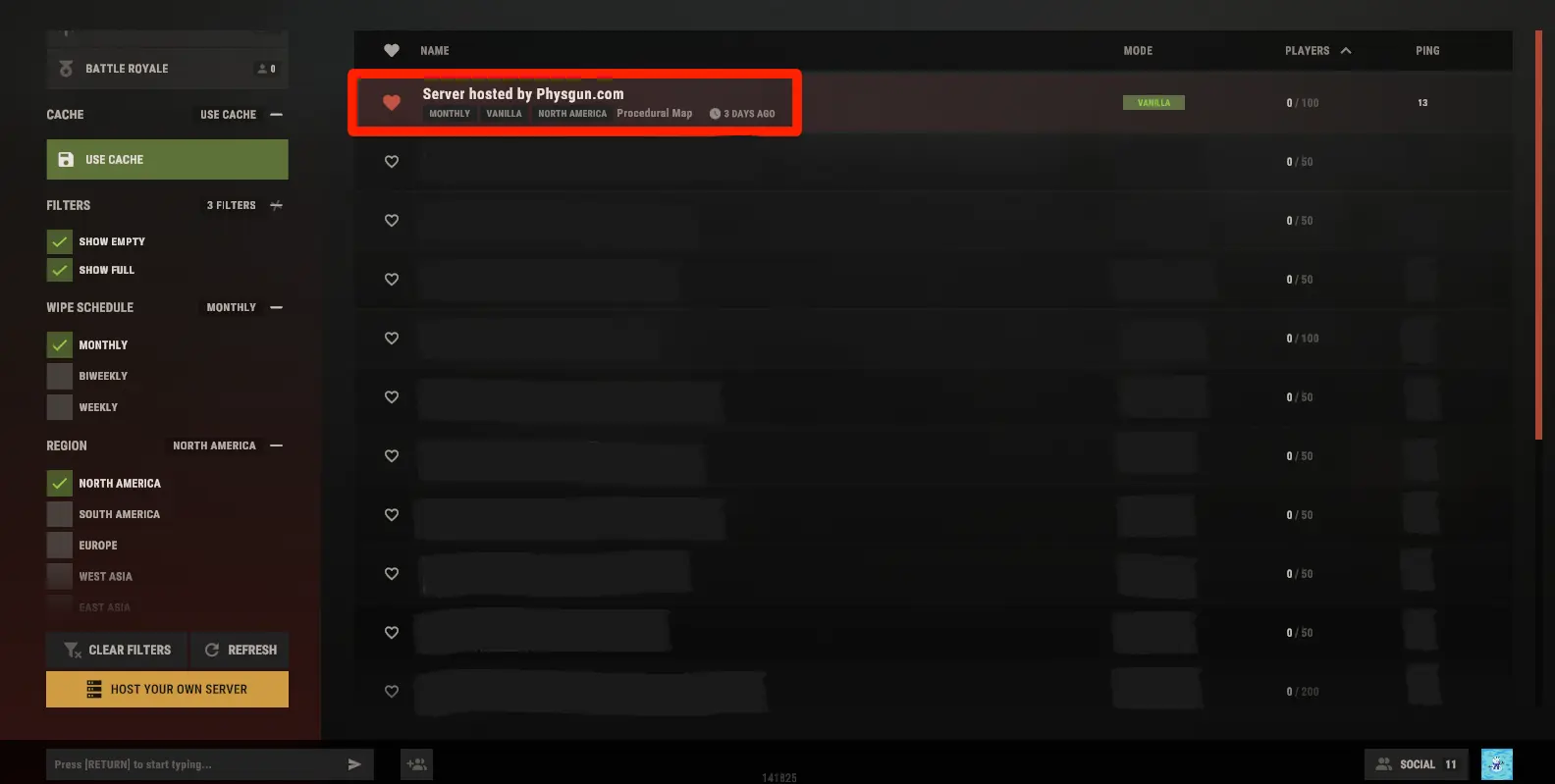
Favorite Servers You Like
Once you find a server that matches your style, save it.
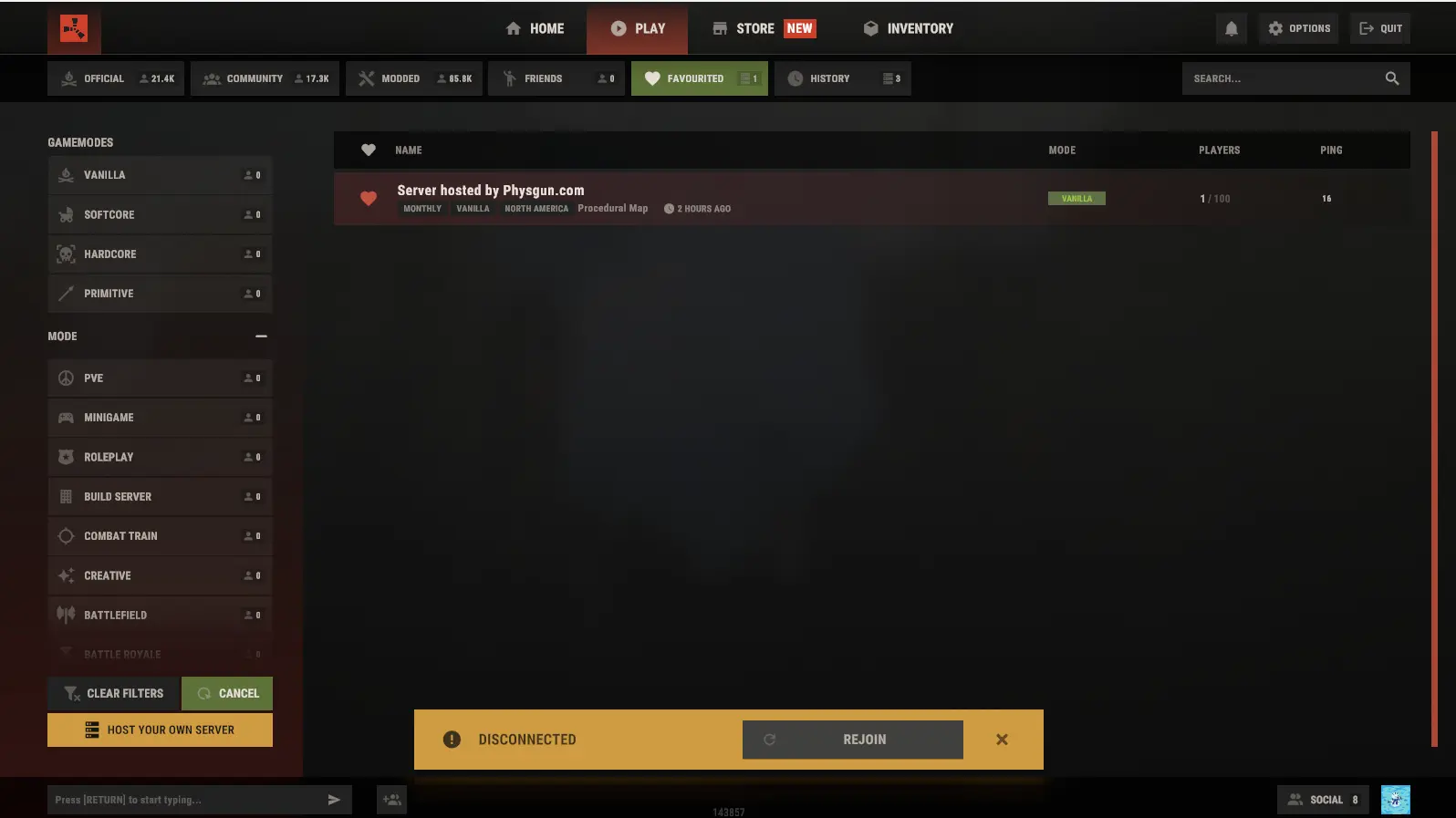
Using the favorite servers feature helps you:
Quickly reconnect
Track server status
Avoid searching again
This is especially useful if you regularly play on the same server or community.
Bonus Tips For Finding The Best Rust Servers
Here are a few extra things that can help you discover better servers:
Use server websites and Discords to learn more
Check server descriptions for accurate info
Look for consistent updates and active development
Avoid servers with unclear rules or no moderation
Test multiple servers before committing
Sometimes the best way to find a good server is simply to try a few and see which one feels right.
Final Thoughts
Learning how to find a good rust server comes down to understanding what actually matters: performance, community, moderation, and gameplay style.
The best Rust servers aren’t just the most populated—they’re the ones that deliver a smooth, balanced, and enjoyable experience.
By focusing on:
Strong server performance
Active server owners and support
A consistent wipe schedule
The right player count and server type
You’ll be able to find servers that match your playstyle and make Rust far more enjoyable.
Take the time to explore, test different servers, and refine your preferences. Once you find the right one, your entire Rust experience improves instantly.